Southeast National Parks
The Southeast NPS passport region spans nine states and two territories — and no other region comes close to matching its range. America’s most visited national park (Great Smoky Mountains) and one of its most remote (Dry Tortugas) are both here. So are the first shots of the Civil War, the heart of the Civil Rights Movement, the oldest masonry fort in the continental US, and the largest old-growth bottomland forest in the eastern US. You could spend years exploring this region and still have more on your list.
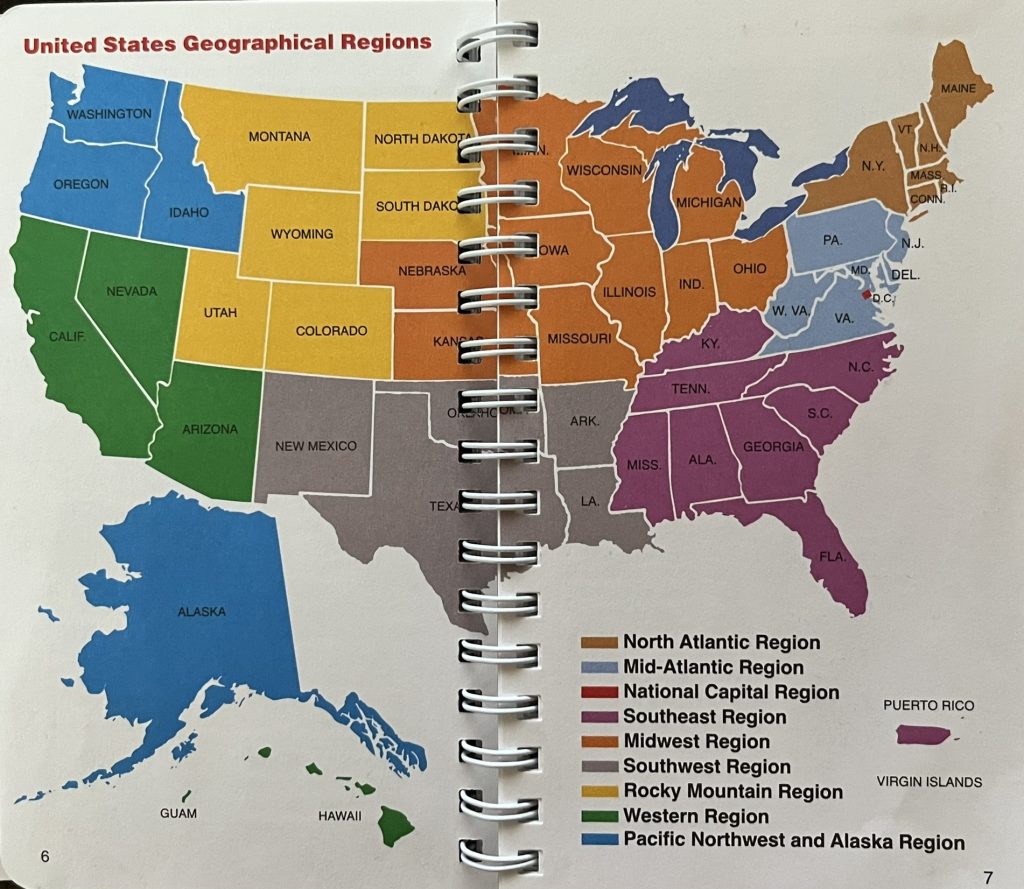
This page covers Alabama, Florida, Georgia, Kentucky, Louisiana, Mississippi, North Carolina, South Carolina, and Tennessee — plus Puerto Rico and the U.S. Virgin Islands. Use the posts and guides below alongside the full site directory to build your own itinerary.
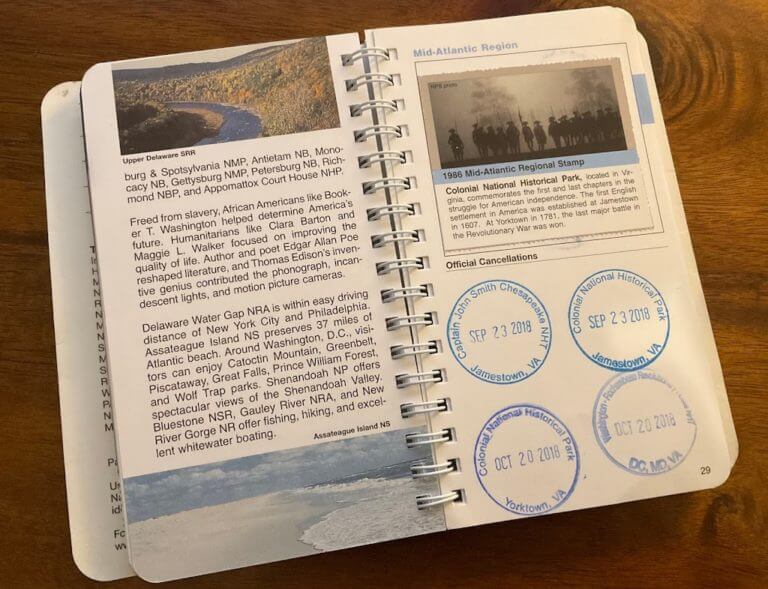
A note for passport collectors: The Southeast is one of the official NPS passport stamp regions. Multi-state parks like Great Smoky Mountains and the Blue Ridge Parkway are listed as Southeast. The Natchez Trace Parkway spans three states but there are stamps at several locations along its 444-mile length — plan accordingly.
Find Your Southeast National Parks Adventure

Florida’s National Parks
No state in the Southeast packs more NPS variety — America’s most remote national park, its largest subtropical wilderness, and some of its oldest Spanish colonial fortifications.

Civil War & Revolutionary History
From the first shots of the Civil War at Fort Sumter to the decisive Revolutionary War victory at Moores Creek — the Southeast holds some of the most significant military history in the country.

Natural Wonders & Wilderness
The most visited national park in America, the largest old-growth bottomland forest in the eastern US, and hundreds of miles of undeveloped Atlantic coastline.
Complete Site Directory
Every NPS unit in the Southeast passport region, organized by state — with highlights to help you choose your next stop.
Suggested Southeast Itineraries
Pre-built circuits combining nearby sites for efficient passport collecting. Click through to individual guides for full details on each stop.
South Carolina History Weekend
2-3 days | Charleston + Columbia area | 4-5 stamps
Day 1: Fort Sumter NHP — ferry from Patriots Point or Liberty Square downtown, about 1.5-2 hours on the island. Where the Civil War began.
Day 1 afternoon: Fort Moultrie NHP — Sullivan’s Island, same NHP unit as Fort Sumter, easy add-on after the ferry returns. Revolutionary War, Civil War, and WWII in one site.
Day 2: Congaree NP — the 2.4-mile boardwalk loop through the largest old-growth bottomland forest in the eastern US takes about 45 minutes, but the towering loblolly pines and cypress knees make it easy to linger. Visit in mid-May through mid-June for the synchronized firefly display.
Day 3 option: Reconstruction Era NHP (Beaufort) — interprets the Port Royal Experiment and the post-Civil War story of Black freedom. A small site that fills in the history the battlefields leave out.
4-5 site stamps. Base from Charleston covers Days 1-2 easily. All sites within 90 minutes of each other.

Florida Gulf Coast to the Keys
3-4 days | Tampa area south to Key West | 5-6 stamps
Day 1 : Big Cypress National Preserve — stop at the Oasis Visitor Center along the Tamiami Trail on the way south. Real Everglades ecosystem, alligators guaranteed.
Day 2: Everglades NP — Anhinga Trail at Royal Palm for wildlife, then drive to Flamingo for the full scope of the park. Allow a full day. Check out a real Cold War Nuclear Missile Silo base!
Day 3: Biscayne NP — rent a kayak or take a boat tour into the northernmost Florida Keys reef system.
Day 4: Dry Tortugas NP — seaplane or Yankee Freedom ferry from Key West. Fort Jefferson, world-class snorkeling, and one of the most dramatic stamps in the book. Book the ferry weeks in advance.
5-6 site stamps. The Dry Tortugas leg requires advance planning — build this itinerary around that reservation first, then fill in the rest.

Tennessee History & Mountains Loop
2-3 days | Knoxville / Murfreesboro base | 3-4 stamps
Day 1: Stones River National Battlefield (Murfreesboro) — a self-guided driving tour with six stops, outstanding visitor center, and the oldest intact Civil War memorial in the country. Allow 2-3 hours.
Day 1 afternoon: Andrew Johnson NHS (Greeneville) — the only president’s home in Tennessee; tailor shop, homestead, and grave all in one compact site.
Day 2: Great Smoky Mountains NP — the most visited national park in America and the only major one with no entrance fee. Clingmans Dome for the views, Laurel Falls for the hike, Cades Cove for the wildlife and history. A full day here is never enough.
Day 3 option: Cumberland Gap NHP — the natural mountain gateway through the Appalachians. Three-state overlook, 85 miles of trail, and the Hensley Settlement backcountry site.
3-4 stamps. Knoxville is the best base — central to Smoky Mountains, Stones River is 2.5 hours west, Cumberland Gap is 1 hour northeast.
Posts & Guides by Category
Published posts and guides for sites across the Southeast region. Sites without a dedicated post are covered in the full directory below.
Florida
| Site | State | What to Know |
|---|---|---|
| Florida NPS Overview | Florida | All 11 sites covered — visitor counts, highlights, and what makes each one worth the trip |
| Dry Tortugas NP | Florida | America’s most remote national park — 70 miles west of Key West, accessible only by seaplane or ferry. Fort Jefferson, snorkeling, and camping on Garden Key |
| Big Cypress NPRES | Florida | 1.3 million acres of subtropical wilderness along the Tamiami Trail — the Oasis Visitor Center is the best quick stop with reliable wildlife viewing |
| De Soto NM | Florida | Marks the landing site of Hernando de Soto’s 1539 expedition — the first major European contact in the Southeast. Small, accessible, and often skipped |
| Everglades NP | Florida | America’s only subtropical wilderness — 1.5 million acres, the Anhinga Trail for wildlife, Flamingo for the full backcountry experience. Bonus: Nike Missile Site |
| Biscayne NP | Florida | 95% water — coral reefs, mangroves, and the northernmost Florida Keys. Kayak or boat tour required to see it properly. |
| Castillo de San Marcos NM | Florida | The oldest masonry fort in the continental US, built by Spain in 1695. Downtown St. Augustine — one of the most accessible and rewarding sites in Florida. |
| Fort Matanzas NM | Florida | 18th-century Spanish watchtower south of St. Augustine — reached by a free NPS ferry. One of the easiest stamps in Florida. |
| Canaveral NS | Florida | 24 miles of undeveloped Atlantic beach adjacent to Kennedy Space Center. Prime sea turtle nesting habitat; launch viewing possible. |
| Fort Caroline NMEM | Florida | Site of the first French colony in North America (1564) — Jacksonville area, pairs well with Timucuan EHP next door. |
| Timucuan EHP | Florida | 46,000 acres of pristine coastal marsh near Jacksonville — one of the last unspoiled maritime forest and wetland systems on the Atlantic coast. |
Civil War & Revolutionary History
| Site | State | What to Know |
|---|---|---|
| Fort Sumter & Fort Moultrie NHP | South Carolina | Fort Sumter is where the Civil War began — ferry access only from Charleston. Fort Moultrie on Sullivan’s Island is in the same NHP unit and covers Revolutionary War through WWII. Two sites, one admission |
| Stones River NB | Tennessee | New Year’s Eve 1862 — a six-stop driving tour, outstanding visitor center, and the Hazen Brigade Monument: the oldest intact Civil War memorial in the country |
| Moores Creek NB | North Carolina | The first significant Patriot victory of the Revolution — Scottish Highlander loyalists defeated in under five minutes on February 27, 1776. One-mile walking loop, uncrowded, underappreciated |
| Kings Mountain NMP | South Carolina | Patrick Ferguson called it “the turning point of the Revolution in the South.” The Overmountain Men won decisively in 65 minutes. Guide coming soon |
| Kennesaw Mountain NBP | Georgia | 1864 Atlanta Campaign — Sherman vs. Johnston across nearly 3,000 acres of preserved earthworks and battlefield landscape outside Atlanta. Guide coming soon |
| Cowpens NB | South Carolina | Brilliant tactical victory by General Morgan — a double envelopment that crippled Cornwallis’s forces in 1781. Short trail, well-interpreted battlefield. Guide coming soon |
| Gulf Islands NS | FL / Mississippi | Fort Pickens on Santa Rosa Island and Fort Barrancas near Pensacola — Civil War-era brick forts on some of the whitest sand beaches in the country. Guide coming soon |

Civil Rights & Cultural History
| Site | State | What to Know |
|---|---|---|
| Martin Luther King Jr. NHP | Georgia | Sweet Auburn district of Atlanta — Dr. King’s birth home, Ebenezer Baptist Church where he was baptized and served, and the King Center with his marble tomb and eternal flame. Plan 3-4 hours. Free admission |
| Reconstruction Era NHP | South Carolina | Beaufort’s Port Royal area — the most complete interpretation of the post-Civil War Reconstruction period in the NPS system. The story that comes after the battlefields. Guide coming soon |
| Tuskegee Airmen NHS | Alabama | Moton Field in Tuskegee — where the first Black military aviators trained, proving wrong everyone who said they couldn’t. Small site, significant story. Guide coming soon |
| Tuskegee Institute NHS | Alabama | Booker T. Washington’s school and George Washington Carver’s laboratory, on the same campus as Tuskegee University — still an active university today. Guide coming soon |
| Ocmulgee Mounds NHP | Georgia | 11,000 years of Indigenous history on the Ocmulgee River — massive earthen mounds built around 900 AD by the Mississippian culture. One of the most significant archaeological sites in the Southeast. Guide coming soon |
| Charles Pinckney NHS | South Carolina | Mount Pleasant estate of a primary architect of the US Constitution — and a significant site for interpreting the lives of enslaved people who worked the plantation. Guide coming soon |
| Andrew Johnson NHS | Tennessee | Greeneville — home, tailor shop, and grave of the 17th President. The only presidential NPS site in Tennessee, and a compact, well-presented visit |
| Manhattan Project NHP | Tennessee | Oak Ridge — where uranium was enriched for the first atomic bomb. Advance reservations required for the building tours; the visitor center is walk-in. Guide coming soon |
Natural Areas & Parks
| Site | State | What to Know |
|---|---|---|
| Great Smoky Mountains NP | NC / Tennessee | The most visited national park in the US — 12+ million visitors annually, and the only major national park with no entrance fee. Clingmans Dome, Cades Cove, Laurel Falls, and over 800 miles of trail. Expect crowds on summer weekends; spring and fall are the sweet spots. Guide coming soon |
| Congaree NP | South Carolina | The largest intact old-growth bottomland forest in the eastern US — champion loblolly pines over 160 feet tall, a 2.4-mile boardwalk loop, and the world-famous synchronized firefly event in May-June |
| Cape Hatteras NS | North Carolina | The first national seashore — 70 miles of undeveloped Outer Banks barrier island, Cape Hatteras Lighthouse (tallest brick lighthouse in the US), and excellent surf fishing |
| Cumberland Gap NHP | KY / TN / VA | The natural mountain gateway through the Appalachians that opened the frontier west — three-state overlook from Pinnacle, 85 miles of trail, and the remote Hensley Settlement |
| Big South Fork NRRA | KY / Tennessee | 125,000+ acres of sandstone gorges, whitewater, and arches in the Cumberland Plateau — one of the most underrated backcountry destinations in the East. Guide coming soon |
| Obed WSR | Tennessee | 500-foot sandstone gorges and some of the best technical rock climbing in the Southeast — the Obed River is a paddler’s destination when water levels cooperate. Guide coming soon |
| Cumberland Island NS | Georgia | Wild horses, Carnegie mansion ruins, and 17 miles of Atlantic beach — accessible only by ferry from St. Marys. One of the most atmospheric sites on the entire East Coast. Guide coming soon |
| Fort Raleigh NHS | North Carolina | Site of the Lost Colony of Roanoke (1587) — the first English settlement in America, and still one of history’s most compelling unsolved mysteries |
| Wright Brothers NMEM | North Carolina | Kill Devil Hills — where Orville Wright flew 120 feet on December 17, 1903, changing everything. The monument and flight markers are exactly where it happened |
Complete Southeast Region Site Directory
Every NPS unit in the official Southeast passport region, organized by state. Sites with published guides are linked; all entries include a brief description to help you plan your visit.
Jump to state: Florida | Georgia | South Carolina | North Carolina | Tennessee | Kentucky | Alabama | Mississippi | Louisiana | Puerto Rico | U.S. Virgin Islands | Multi-State

Florida
| Site | Type | Highlights |
|---|---|---|
| Big Cypress NPRES | National Preserve | 1.3 million acres of subtropical wilderness along the Tamiami Trail — the ecological buffer zone of the Everglades |
| Biscayne NP | National Park | 95% water — snorkeling the northernmost Florida Keys reef system, mangrove tunnels, and Boca Chita Key lighthouse |
| Canaveral NS | National Seashore | 24 miles of undeveloped Atlantic beach with sea turtle nesting; launch viewing from Apollo Beach on launch days |
| Castillo de San Marcos NM | National Monument | Oldest masonry fort in the continental US (1695) — coquina shell construction, downtown St. Augustine, cannon demonstrations |
| De Soto NM | National Memorial | Marks the 1539 landing of Hernando de Soto — the first large-scale European expedition into the interior Southeast |
| Dry Tortugas NP | National Park | 70 miles west of Key West — Fort Jefferson, world-class snorkeling over pristine coral, primitive camping, and the most remote stamp in the Southeast |
| Everglades NP | National Park | 1.5 million acres of subtropical wilderness — Anhinga Trail, Flamingo, 10,000 Islands, and the largest mangrove ecosystem in the western hemisphere: Bonus: Nike Missile Site |
| Fort Caroline NMEM | National Memorial | Site of the first French colony in North America (1564) near Jacksonville — a small but historically significant site |
| Fort Matanzas NM | National Monument | 18th-century Spanish watchtower on Rattlesnake Island — reached by a free NPS ferry, 14 miles south of St. Augustine |
| Gulf Islands NS | National Seashore | White sand barrier islands from Pensacola to Mississippi — Fort Pickens and Fort Barrancas are the Civil War-era anchors on the Florida side |
| Timucuan EHP | Ecological & Historic Preserve | 46,000 acres of pristine coastal marsh near Jacksonville — Ribault Club, Fort Caroline, Kingsley Plantation all within the preserve boundary |
Georgia
| Site | Type | Highlights |
|---|---|---|
| Andersonville NHS | Historic Site | The most notorious Civil War prisoner of war camp — 45,000 Union prisoners, 13,000 deaths in 14 months. National POW Museum on site |
| Chattahoochee River NRA | Recreation Area | 48-mile corridor through metro Atlanta — tubing, fishing, hiking, and one of the few NPS units inside a major US city |
| Cumberland Island NS | National Seashore | Wild horses, Carnegie mansion ruins, and 17 miles of Atlantic beach — ferry access only from St. Marys, reservations required |
| Fort Frederica NM | National Monument | 18th-century British fort on St. Simons Island — site of the 1742 Battle of Bloody Marsh that stopped the Spanish advance into Georgia |
| Fort Pulaski NM | National Monument | Where rifled cannon fire in April 1862 made masonry fortifications obsolete overnight — a turning point in military engineering |
| Jimmy Carter NHP | Historical Park | Birthplace, boyhood farm, and home of the 39th President in Plains, Georgia — still an active community |
| Kennesaw Mountain NBP | National Battlefield Park | 1864 Atlanta Campaign — nearly 3,000 acres of preserved earthworks, 16 miles of trail, and excellent views of the Atlanta metro |
| Martin Luther King Jr. NHP | Historical Park | Sweet Auburn district of Atlanta — birth home, Ebenezer Baptist Church, King Center with tomb. Plan 3-4 hours. Free |
| Ocmulgee Mounds NHP | Historical Park | 11,000 years of continuous Indigenous occupation — the Great Temple Mound rises 55 feet above the Ocmulgee River floodplain |
South Carolina
| Site | Type | Highlights |
|---|---|---|
| Charles Pinckney NHS | Historic Site | Surviving portion of a Founding Father’s coastal plantation — interprets both the Constitution’s framing and the enslaved community who worked the land |
| Congaree NP | National Park | Largest old-growth bottomland hardwood forest in the eastern US — champion trees, elevated boardwalk, synchronized fireflies in May-June |
| Cowpens NB | National Battlefield | Textbook double envelopment victory (1781) that crippled Cornwallis’s southern army and helped end the Revolution — short trail, uncrowded |
| Fort Sumter & Fort Moultrie NHP | Historical Park | Fort Sumter: where the Civil War began, ferry access only. Fort Moultrie: Sullivan’s Island, five military eras in one site. Two guides, one park unit |
| Kings Mountain NMP | Military Park | “The turning point of the Revolution in the South” — Overmountain Men routed Ferguson’s loyalists in 65 minutes on October 7, 1780 |
| Ninety Six NHS | Historic Site | Colonial-era backcountry trading post and site of the longest siege of the Revolution in the South (May-June 1781) — earthworks still visible |
| Reconstruction Era NHP | Historical Park | The Port Royal Experiment and the Reconstruction story — Beaufort area sites that tell the post-Civil War history of Black freedom and land ownership |
North Carolina
| Site | Type | Highlights |
|---|---|---|
| Blue Ridge PKWY (also VA) | Parkway | 469-mile scenic drive; North Carolina section includes Linn Cove Viaduct, Grandfather Mountain area, and highest point at Richland Balsam (6,053 ft) |
| Cape Hatteras NS | National Seashore | The first national seashore — 70 miles of barrier island from Nags Head to Ocracoke, Cape Hatteras Lighthouse, and excellent fishing and surf |
| Cape Lookout NS | National Seashore | 56 miles of undeveloped barrier island south of Cape Hatteras — ferry access only, primitive camping, wild horses on Shackleford Banks |
| Fort Raleigh NHS | Historic Site | The Lost Colony of Roanoke — first English settlement in America (1587), vanished without explanation. Outdoor drama runs each summer |
| Great Smoky Mountains NP (also TN) | National Park | The most visited national park in America — free admission, 800+ miles of trail, Appalachian Trail corridor, and fall foliage that rivals anywhere in the country |
| Moores Creek NB | National Battlefield | First significant Patriot victory of the Revolution — Scottish Highlander loyalists defeated in under five minutes in February 1776 |
| Wright Brothers NMEM | National Memorial | Kill Devil Hills — where powered flight began on December 17, 1903. The granite monument stands on Big Kill Devil Hill; flight markers show exactly where each of the four flights landed |

Tennessee
| Site | Type | Highlights |
|---|---|---|
| Andrew Johnson NHS | Historic Site | Greeneville — homestead, tailor shop, and grave of the 17th President. Compact site, well-interpreted, no entrance fee |
| Big South Fork NRRA (also KY) | Recreation Area | 125,000+ acres of sandstone gorges and whitewater in the Cumberland Plateau — Blue Heron Mining Community, sandstone arches, serious backcountry |
| Chickamauga & Chattanooga NMP (also GA) | Military Park | Largest Civil War military park in the US — the second bloodiest battle of the war at Chickamauga, plus five other battle areas across the Chattanooga area |
| Cumberland Gap NHP | Historical Park | The natural Appalachian gateway — Pinnacle Overlook, Hensley Settlement, 85 miles of trail across Tennessee, Kentucky, and Virginia |
| Fort Donelson NB | National Battlefield | Grant’s first major victory — 12,000 Confederate troops surrendered in February 1862, opening the Tennessee and Cumberland rivers to Union advance |
| Great Smoky Mountains NP (also NC) | National Park | America’s most visited national park — free admission, Cades Cove for wildlife and history, Clingmans Dome for panoramic views, Newfound Gap for the Appalachian Trail crossing |
| Manhattan Project NHP | Historical Park | Oak Ridge — where K-25, Y-12, and X-10 facilities enriched uranium for the first atomic bomb. Tours of the historic buildings require advance reservations |
| Natchez Trace PKWY (also AL/MS) | Parkway | 444-mile historic road from Nashville to Natchez — no commercial traffic, ancient mounds, waterfalls, and some of the best cycling in the South |
| Obed WSR | Wild & Scenic River | 500-foot sandstone gorges and class III-IV whitewater — premier rock climbing and paddling destination in the Southeast Tennessee plateau |
| Shiloh NMP (also MS) | Military Park | Two days in April 1862 that shocked both sides — 23,000 casualties along the Tennessee River. Auto tour covers all major action areas |
| Stones River NB | National Battlefield | New Year’s Eve 1862 battle near Murfreesboro — driving tour, excellent visitor center, and the Hazen Monument: oldest intact Civil War memorial in the country |

Kentucky
| Site | Type | Highlights |
|---|---|---|
| Abraham Lincoln Birthplace NHP | Historical Park | Two sites — birthplace cabin memorial in Hodgenville and boyhood home at Knob Creek, 10 miles apart. Together they cover Lincoln’s first seven years |
| Big South Fork NRRA (also TN) | Recreation Area | Kentucky entrance at Whitley City — Blue Heron Mining Community and the historic coal tipple are the anchor attractions on this side |
| Cumberland Gap NHP | Historical Park | Kentucky side accesses the Pinnacle Overlook — the three-state view from 2,440 feet is the signature experience of the park |
| Mammoth Cave NP | National Park | World’s longest known cave system — 400+ mapped miles, UNESCO World Heritage Site. Multiple cave tour options from half-hour to all-day; reservations recommended |
Alabama
| Site | Type | Highlights |
|---|---|---|
| Little River Canyon National Preserve | National Preserve | One of the longest mountaintop rivers in the US — canyon overlooks, swimming holes at Grace’s High Falls, and excellent canyon-rim hiking |
| Natchez Trace PKWY (also MS/TN) | Parkway | Alabama section is brief but scenic — the parkway passes through the Muscle Shoals area and connects to the Mississippi stretches |
| Russell Cave NM | National Monument | Archaeological site showing 10,000 years of Native American habitation in a cave shelter near Bridgeport — one of the longest occupation records in the Southeast |
| Tuskegee Airmen NHS | Historic Site | Moton Field — where the first Black military aviators trained for combat in WWII. Hangar #1 is restored; flight demonstrations run at special events |
| Tuskegee Institute NHS | Historic Site | Booker T. Washington’s school and George Washington Carver’s laboratory — on the active campus of Tuskegee University. The Oaks (Washington’s home) is the centerpiece |
Mississippi
| Site | Type | Highlights |
|---|---|---|
| Brices Cross Roads NBS | National Battlefield Site | One of the most tactically brilliant Confederate cavalry victories of the war — General Forrest routed a Union force twice his size in June 1864 |
| Gulf Islands NS (also FL) | National Seashore | Ship Island — Fort Massachusetts and the whitest sand beaches on the Gulf Coast, reached by ferry from Gulfport |
| Natchez NHP | Historical Park | Antebellum architecture and the complex story of Natchez as the wealthiest city in antebellum America — built on the Natchez Trace and the cotton economy |
| Natchez Trace PKWY (also AL/TN) | Parkway | Mississippi section includes Emerald Mound (second largest pre-Columbian mound in the US) and the Old Trace segments through ancient forest |
| Shiloh NMP (also TN) | Military Park | Mississippi section along the Tennessee River — Pittsburg Landing and the Shiloh National Cemetery anchor this side of the battlefield |
| Tupelo NB | National Battlefield | A small but strategically significant 1864 battle — Forrest’s last major offensive attempt to cut Union supply lines into Tennessee |
| Vicksburg NMP | Military Park | The 47-day siege that gave the Union control of the Mississippi River on July 4, 1863 — 1,600 cast iron tablets mark troop positions across 1,800 acres |
Louisiana
| Site | Type | Highlights |
|---|---|---|
| Cane River Creole NHP | Historical Park | Two Creole plantation complexes near Natchitoches — Oakland and Magnolia — interpreting the distinctive free people of color community of the Cane River region |
| Jean Lafitte NHP & PRES | Historical Park & Preserve | Five separate units across southeast Louisiana — Barataria Preserve wetlands, Chalmette Battlefield (Battle of New Orleans), and Cajun cultural sites |
| New Orleans Jazz NHP | Historical Park | Interprets the origins and evolution of jazz in the French Quarter — ranger-led programs, live music, and a visitor center in the Tremé neighborhood |
| Poverty Point NM | National Monument | 3,400-year-old earthwork complex built without agriculture by a pre-ceramic society — UNESCO World Heritage Site, one of the most significant archaeological sites in North America |
Puerto Rico
| Site | Type | Highlights |
|---|---|---|
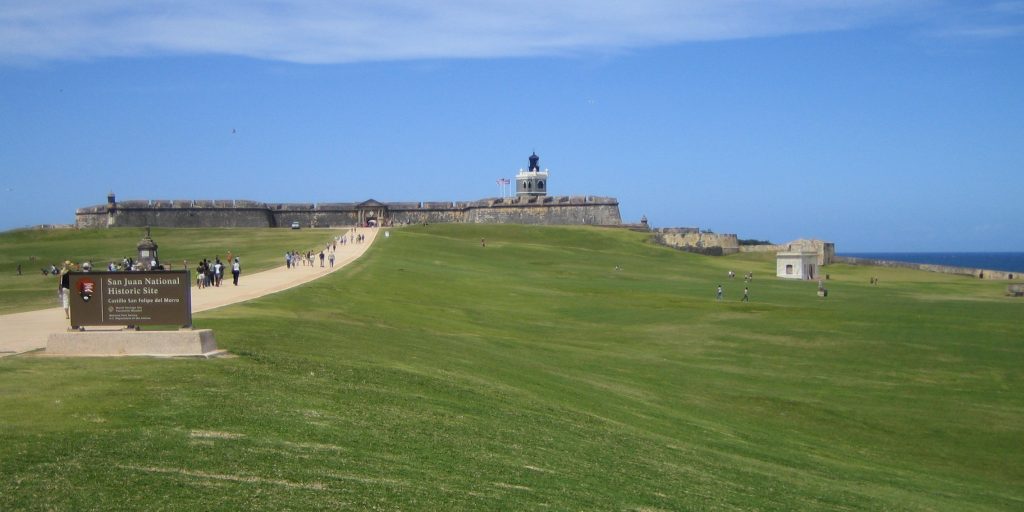
| San Juan NHS | Historic Site | Two massive Spanish colonial fortresses — Castillo San Felipe del Morro and Castillo San Cristóbal — plus the historic city walls of Old San Juan. UNESCO World Heritage Site and the oldest European construction under US jurisdiction. One of the most dramatic NPS passport stamp experiences in the entire system. Guide coming soon |
U.S. Virgin Islands
| Site | Type | Highlights |
|---|---|---|
| Virgin Islands NP | National Park | Covers more than half of St. John — world-class beaches, coral reef snorkeling, tropical rainforest trails, and pre-Columbian archaeological sites dating to 840 BC. UNESCO International Biosphere Reserve |
| Virgin Islands Coral Reef NM | National Monument | 12,700+ acres of protected submerged lands off St. John — coral reefs, seagrass beds, and mangrove lagoons managed alongside the national park |
| Buck Island Reef NM | National Monument | 28+ square miles of protected reef off St. Croix — one of the finest marine gardens in the Caribbean, with an underwater snorkel trail through the coral |
| Christiansted NHS | Historic Site | Colonial-era Danish buildings in Christiansted, St. Croix — Fort Christiansvaern and the Scale House anchor this compact, walkable historic site |
| Salt River Bay NHP & Ecological Preserve | Historical Park & Preserve | St. Croix’s ridge-to-reef environment — Columbus landing site, Taíno ball court, mangrove forest, and coral reef all within one 989-acre preserve |
Multi-State Sites
| Site | States | What It Is |
|---|---|---|
| Appalachian NST | ME to GA (14 states) | Southern terminus at Springer Mountain, Georgia — the iconic starting point for northbound thru-hikers |
| Blue Ridge PKWY | VA / NC | 469-mile parkway connecting Shenandoah to Great Smoky Mountains — the full Southeast-to-Mid-Atlantic connector |
| Chickamauga & Chattanooga NMP | GA / TN | Largest Civil War military park — spans the state line, six battle areas, one connected story |
| Gulf Islands NS | FL / MS | Barrier island chain from Pensacola to the Mississippi Sound — historic forts and undeveloped beaches |
| Natchez Trace PKWY | AL / MS / TN | 444-mile historic corridor from Nashville to Natchez — ancient mounds, no commercial traffic, exceptional cycling |
| Shiloh NMP | MS / TN | The Tennessee River battle that ended both sides’ hope for a quick war — spread across two states |
Quick Planning Reference
| State | NPS Sites | Travel from Atlanta | Key Anchor Sites |
|---|---|---|---|
| Florida | 11 | 6–9 hours | Everglades NP / Dry Tortugas NP |
| Georgia | 9 | In-state | Martin Luther King Jr. NHP / Kennesaw Mountain NBP |
| South Carolina | 7 | 3–4 hours | Fort Sumter NHP / Congaree NP |
| North Carolina | 7 | 4–5 hours | Great Smoky Mountains NP / Cape Hatteras NS |
| Tennessee | 11 | 2–4 hours | Great Smoky Mountains NP / Stones River NB |
| Kentucky | 4 | 4–5 hours | Mammoth Cave NP / Cumberland Gap NHP |
| Alabama | 5 | 2–3 hours | Tuskegee Airmen NHS / Tuskegee Institute NHS |
| Mississippi | 7 | 5–6 hours | Vicksburg NMP / Natchez Trace PKWY |
| Louisiana | 4 | 7–8 hours | Jean Lafitte NHP / New Orleans Jazz NHP |
| Puerto Rico | 1 | Flight ~3.5 hours from Miami | San Juan NHS |
| U.S. Virgin Islands | 5 | Flight ~3.5 hours from Miami | Virgin Islands NP (St. John) / Buck Island Reef NM (St. Croix) |
Practical tips
- America the Beautiful Annual Pass ($80) covers all fee-charging sites in the region — how to get one
- Great Smoky Mountains is one of the only major national parks with no entrance fee — no pass needed, but expect crowds on summer and fall weekends
- Dry Tortugas ferry (Yankee Freedom) and Cumberland Island ferry both require advance reservations — plan these first when building an itinerary
- Check National Park fee-free days before you plan your trip
Frequently Asked Questions
What states are in the Southeast NPS passport region?
The Southeast passport region covers Alabama, Florida, Georgia, Kentucky, Louisiana, Mississippi, North Carolina, South Carolina, and Tennessee — plus Puerto Rico and the U.S. Virgin Islands. Washington D.C. sites are in the separate National Capital region. Multi-state parks like Great Smoky Mountains stamp in the Southeast section regardless of which state you enter from.
How many NPS sites are in the Southeast passport region?
There are 90+ NPS units across the nine mainland states, making the Southeast one of the largest passport regions by site count. Tennessee and Florida each have over 10 units; Florida alone draws nearly 16 million annual NPS visitors across its 11 sites.
What is the most visited national park in the Southeast?
Great Smoky Mountains National Park — by a wide margin. It regularly tops 12 million visitors per year, making it the most visited national park in the entire country. It’s also free to enter!
What’s the hardest Southeast site to reach for passport collectors?
Dry Tortugas National Park, without question. Seventy miles west of Key West, accessible only by seaplane, ferry, or private boat — the Yankee Freedom ferry books out weeks in advance in high season. Cumberland Island National Seashore (Georgia) is the runner-up: ferry access only from St. Marys, with limited daily capacity. Plan both of these first when building a Southeast itinerary.

Is the Southeast good for Civil Rights history?
It’s one of the best region in the NPS system for Civil Rights history. Martin Luther King Jr. NHP in Atlanta is a full half-day experience. Tuskegee Airmen NHS and Tuskegee Institute NHS sit on the same campus in Alabama. Reconstruction Era NHP in Beaufort tells the post-Civil War story that most battlefields leave out (or are being torn out.) These sites are as historically significant as a major battlefield.
Can I combine Southeast and Mid-Atlantic sites efficiently?
The Blue Ridge Parkway is the natural connector — it runs 469 miles from Shenandoah (Mid-Atlantic) through the North Carolina mountains directly into the Great Smoky Mountains (Southeast). An East Coast road trip heading south can collect both passport book sections in one journey — see the Mid-Atlantic national parks guide for the northern half of that route.
How long does it take to complete the Southeast passport region?
The geography alone makes this a multi-year project at a normal pace. Florida requires a dedicated trip — Dry Tortugas alone needs some advance planning. Louisiana sits far to the west. Mississippi’s Civil War sites are a full road trip by themselves. With focused regional travel hitting 5-6 anchor sites per trip, you could cover the major sites in 4-5 dedicated trips — but completing all 90+ systematically will take years.
Are Southeast sites good for families with kids?
Some of the best in the country. Great Smoky Mountains has no entrance fee and miles of family-friendly trails. Dry Tortugas turns into a snorkeling adventure. The Outer Banks combines beach vacation with history at Wright Brothers and Cape Hatteras. Everglades guarantees alligator sightings. Junior Ranger programs run at most staffed sites throughout the region.
Continue Exploring
Key guides from this region
- Florida National Parks Guide — All 11 sites with visitor counts and highlights
- South Carolina National Parks Guide — All 7 sites covered
- Tennessee National Parks Guide — All 13 sites, all free to visit
- Dry Tortugas Complete Guide — America’s most remote national park, step by step
- Fort Sumter Guide — Where the Civil War began
- Congaree National Park — The boardwalk, the champion trees, and the fireflies
- Complete Civil War Sites Guide — All 37 Civil War NPS sites across all regions
- National Park Passport Stamps Guide — How to collect and document every visit
Browse other regions
- Mid-Atlantic National Parks — Virginia, Maryland, Pennsylvania, West Virginia, and more
- Rocky Mountain National Parks (coming soon)
- Midwest National Parks (coming soon)
- National Parks Overview
About Dennis: I’m working toward visiting all 433+ NPS sites — with many across the Southeast spanning Florida, Georgia, South Carolina, North Carolina, and Tennessee. Everything on this page is based on personal visits. Follow the journey at The Roaming Monk.
Regional designations reflect official NPS passport stamp program regions